


Onboarding young employees remotely is one of the biggest challenges facing modern workplace leaders. As remote and hybrid work become standard, companies must rethink how they welcome, train, and integrate early-career talent without relying on in-person connection.
Done right, onboarding young employees remotely doesn’t just replicate the office experience, it enhances it. With the right structure, technology, and support systems, organizations can build confident, connected, and productive teams from day one.
Here are five essential best practices to make remote onboarding a long-term success.
1. Create a Structured Plan for Onboarding Young Employees Remotely
A clear onboarding framework is critical when integrating early-career hires from a distance. Without organic office interactions, structure becomes everything.
Develop a documented onboarding plan that includes:
-
Introductory meetings with managers and team members
-
Defined training milestones
-
30-60-90 day check-ins
-
Clear role expectations and KPIs
Using video conferencing tools and collaboration platforms ensures new hires have consistent access to information and support, even from a distance.
2. Establish Clear and Consistent Communication
When onboarding young employees remotely, clarity and consistency in communication are essential.
Early-career professionals may hesitate to ask questions. Make it easy for them by:
-
Clearly outlining who to contact for what
-
Scheduling recurring check-ins
-
Encouraging informal team chats
-
Creating open channels for feedback
Clarity reduces uncertainty and builds confidence, two essential ingredients for retention.
3. Lean on Technology to Create Connection
Technology plays a crucial role in onboarding young employees remotely, not just for admin efficiency, but for human connection. HR systems like PurelyHR, SAP or BambooHR simplify documentation and compliance. But beyond paperwork, practical workplace technology can dramatically improve integration.
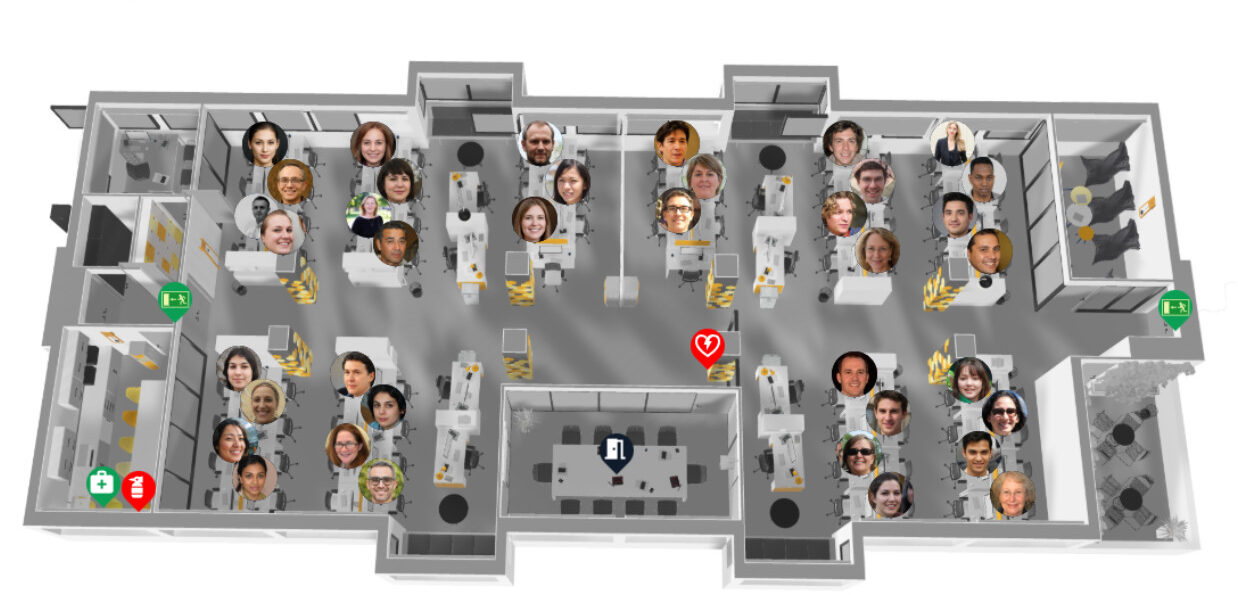
For example, platforms like Capella’s hybrid workplace solution allow administrators to:
-
Guide new hires to book desks near their team
-
Ensure early-career employees sit near mentors
-
Visualize who is in the office and when
-
Encourage intentional in-person collaboration
When onboarding young employees remotely or in hybrid environments, structured in-office coordination creates powerful “collateral learning” moments that accelerate development.
4. Set Up Engaging, Interactive Training Sessions
Young professionals thrive on interactive, engaging learning formats.
Instead of static documentation, incorporate:
-
Video-based learning paths
-
Live virtual training sessions
-
Interactive quizzes and assessments
-
Scenario-based exercises
Interactive formats shorten the learning curve and keep new hires engaged in distributed teams.
5. Assign Mentors to Strengthen Remote Integration
A structured buddy or mentorship program is one of the most effective tools for onboarding young employees remotely.
Pair new hires with experienced team members who can:
-
Provide informal guidance
-
Answer “small” questions
-
Offer cultural insights
-
Share real-world best practices
This relationship reduces isolation, builds belonging, and strengthens cross-generational collaboration.
Why Onboarding Young Employees Remotely Matters More Than Ever
Remote and hybrid work are here to stay. Organizations that master onboarding young employees remotely gain a competitive edge in:
-
Talent attraction
-
Employee engagement
-
Early-career retention
-
Workplace culture development
With thoughtful planning, the right technology, and human-centered support, remote onboarding becomes more than a necessity, it becomes a strategic advantage.
By investing in better onboarding processes today, companies create stronger, more connected teams for the future.