


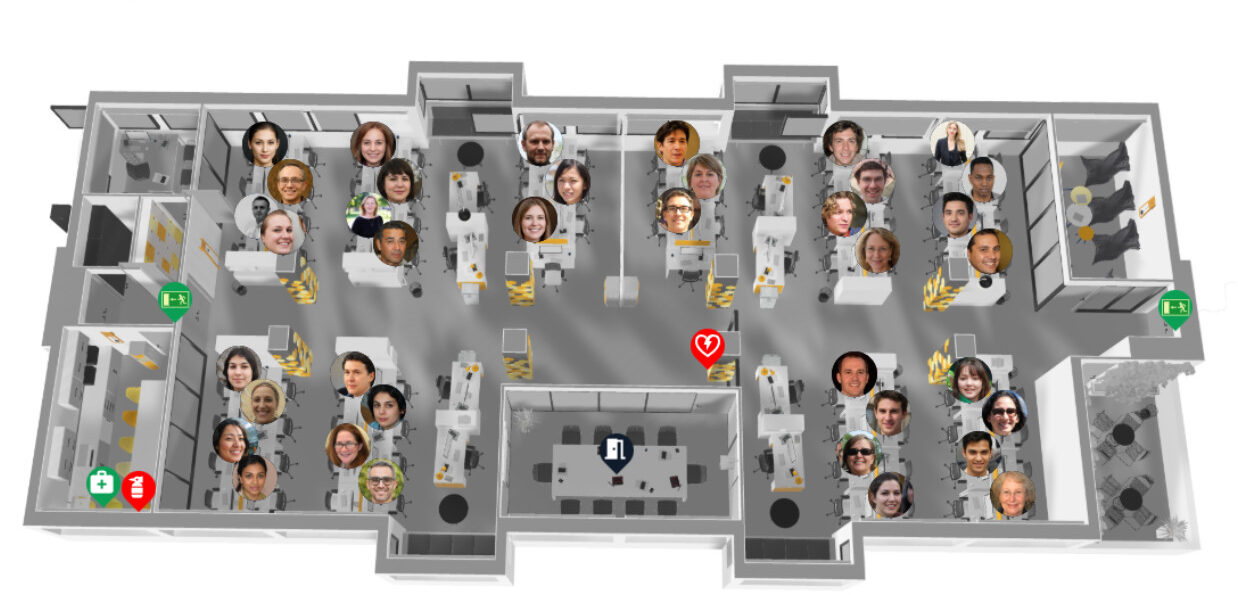
A desk booking system is often the first investment organizations make to support hybrid workspace. The right desk booking software simplifies how employees reserve desks and meeting rooms, reduces daily friction, and helps coordinate in-office collaboration.
However, for executives evaluating desk booking software as a long-term workplace solution, booking functionality alone is rarely sufficient.
The real question is not whether employees can book desks, but whether leadership can confidently act on the data those bookings generate.
Why Booking Tools Matter in Modern Workplaces
In hybrid environments, workplace decisions directly impact real estate costs, employee experience, and operational efficiency. Yet many organizations quickly discover limitations once desk booking software is deployed:
-
Desks and rooms are booked but frequently unused
-
Peak attendance days feel overcrowded, while other days are underutilized
-
Utilization reports lack credibility
-
Space planning decisions rely on assumptions rather than evidence
These challenges are not uncommon. They highlight a critical consideration for buyers: booking data does not equal usage data.
The Risk of Relying on Booking Data Alone
Most desk booking software platforms focus on reservations, not outcomes. Whether used for desk hoteling, flexible working, or assigned seating, the platform captures intent. They capture intent of who planned to come in, but not what actually occurred.
As a result, leaders are left without answers to essential questions:
-
Who actually came into the office?
-
Which desks and rooms were truly used?
-
How does usage vary by team, location, or day?
-
Which data can be trusted when making cost or space decisions?
When desk booking software operates without broader context, organizations risk acting on incomplete or misleading information.
What Buyers Should Look for in a Desk Booking Platform
For organizations with hybrid work at scale, desk booking software should do more than manage reservations. Buyers should look for solutions that:
-
Integrate booking data with real occupancy signals
-
Reveal true usage patterns over time
-
Support confident space, cost, and capacity planning
-
Provide reliable insights for executive reporting
The most effective platforms treat desk booking as a data input, not the final answer that feeds into a wider view of how the workplace is actually used.
Turning Booking Data Into Confident Workplace Decisions
Leading workplace teams no longer ask, “What’s booked?” They ask, “What data can we trust?”
When desk booking software is combined with other workplace data sources, organizations gain clarity into underused space, inconsistent attendance, and opportunities to optimize without disrupting collaboration.
This approach transforms desk booking from a tactical tool into a strategic capability.
The Key Question Every Buyer Should Ask
When evaluating a desk booking platform, the most important question is not:
“How easy is it to book a desk?”
It is:
“How confident will we be in the decisions this data supports?”
For organizations navigating hybrid work, the value of desk booking software lies not in reservations, but in the confidence it gives leaders to plan, optimize, and invest wisely.